Best Seat-Selection Tips for Plays, Musicals, Opera, and Dance
The best seat is not always the most expensive one. Choose seats by matching the art form, venue shape, sightline risk, sound needs, comfort, and accessibility requirements before comparing price.
Seat-choice snapshot: Musicals often reward central orchestra or front mezzanine seats, plays can work well from closer side angles if sightlines are clean, opera benefits from balanced sound and surtitles visibility, and dance usually needs enough distance to see full-body patterns across the stage.
Start with the performance, not the price band
Seat selection gets easier when you stop asking, "What is the best seat?" and start asking, "Best for what kind of performance?" A seat that feels thrilling for a solo play may feel too close for a large ballet. A balcony view that helps you read choreography may feel distant for a subtle drama. Opera adds another layer because you may need to see surtitles, stage depth, and the conductor's relationship to the singers.
Price maps can be helpful, but they are not neutral guides to personal preference. They reflect demand, sightlines, location, and the venue's pricing strategy. Your job is to translate those bands into a viewing experience. That is especially useful when buying after a busy onsale, because the same calm decision process helps with high-demand presales and ticket drops.
Match the seat zone to the art form
| Performance type | Usually strong zones | Main advantage | Possible drawback |
|---|---|---|---|
| Plays | Front mezzanine, mid-orchestra, close side orchestra with clear views | Facial expressions, dialogue focus, direct connection | Extreme front rows can flatten staging or hide floor action |
| Musicals | Center orchestra, front mezzanine, first balcony in some houses | Balance of faces, choreography, and sound | Far sides may miss entrances or scenic reveals |
| Opera | Mid-orchestra, parterre, front balcony, center sections | Blend of acoustics, surtitles, and full stage picture | Very close seats can reduce surtitles visibility |
| Dance | Front mezzanine, center balcony, mid-orchestra farther back | Full-body movement and formations | Too far back can weaken detail and emotional immediacy |
These are starting points, not rules. Some intimate black-box theaters have no bad seats. Some historic houses have columns, railings, steep balconies, or side boxes with partial views. Always read the specific venue map.
Read the seat map like a regular attendee
A good seat map tells you more than row and number. Look for overhangs, aisles, wheelchair spaces, boxes, balcony fronts, railings, and notes such as "partial view" or "restricted view." The Metropolitan Opera seat maps are a useful example of how large venues divide seating zones, while many theaters publish accessibility and access notes separately.
When you compare two seats at the same price, favor the one with fewer unknowns. A central row slightly farther back is often safer than a closer far-side seat. If you are choosing for a group, aisle access, restroom distance, and legroom can matter as much as the view.
Sightlines: what can go wrong
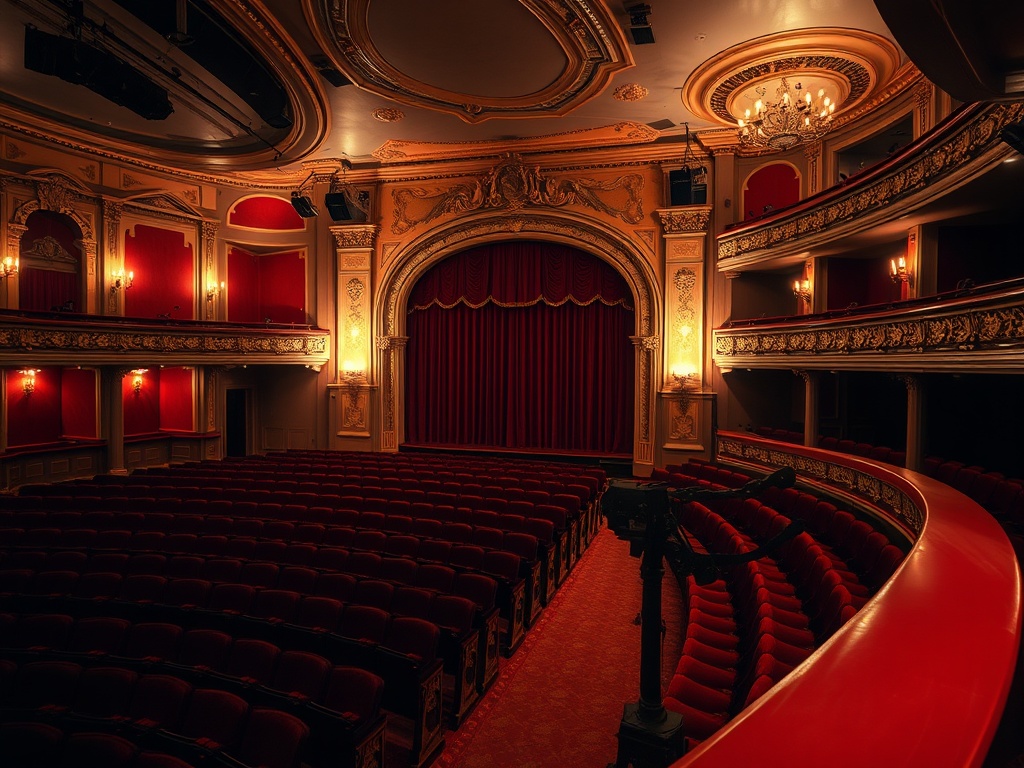
Sightline problems usually come from angle, height, or obstruction. A side orchestra seat may cut off a doorway, balcony, or projection. A front-row seat may place you below the stage picture, especially if actors spend time on platforms. A balcony rail may interrupt the lower stage. In dance, the danger is different: if you sit too close, you may see footwork clearly but miss formations.
For opera and some international theater, check surtitles or caption placement. A seat with a beautiful view can still be frustrating if you must constantly look up, down, or sideways to follow the text. This is one reason front mezzanine and first balcony seats often feel like strong value: they combine perspective with readable stage information.
Sound and proximity are trade-offs
For plays, closeness can intensify silence, facial expression, and vocal detail. For musicals, the best mix may come from seats where amplified vocals, orchestra, and ensemble sound blend naturally. For opera, venue acoustics matter more than speaker placement, so the "best" seat may depend on the hall's design.
If you are sensitive to loud sound, avoid sitting directly near speakers or orchestra pits without checking venue notes. If you love seeing musicians, the first few rows near the pit can be exciting, but they may not provide the most balanced sound.
Accessibility and comfort deserve early attention
Accessible seating is not a last-minute detail. The U.S. Department of Justice explains ticket-sale requirements for accessible seating in its ADA.gov guidance on ticket sales, including how accessible seats and companion seats are handled. Outside the U.S., venues often publish their own access pages. The National Theatre access page is a good example of a venue explaining captioned, audio-described, BSL interpreted, and supported performances.
Comfort also includes arrival time, stairs, elevator access, aisle width, restroom proximity, and how easily your group can enter or leave. If someone in your party needs step-free access, low-stimulation conditions, captions, audio description, or extra time, prioritize those filters before comparing view quality.
When budget seats are smart
Budget seats can be excellent when you understand the compromise. A rear balcony seat may be perfect for choreography, spectacle, or a first exposure to an expensive production. A side seat can work well for a familiar show if the venue marks it as a clear view. Standing room can be good for short performances or repeat visits, but it is a poor choice if comfort is uncertain.
The danger is assuming all cheap seats are hidden gems. Some are cheap because the view, sound, or access is genuinely limited. If the seat note is vague, search the venue, production, and row before buying. Use the same practical mindset you would use when comparing other arts tools, such as apps for tracking artist releases or research resources like art history archives.
Your seat-buying ritual for the next show
Before purchasing, decide your top priority: faces, full-stage view, sound, comfort, access, or price. Then choose the safest zone for that priority, scan for restrictions, confirm fees, and take a screenshot of the seat map before checkout. The best seat is the one that supports the experience you actually want, not the one a price chart tells you to admire.