
No-Prep Veneers vs Traditional Veneers: Who Is Actually a Candidate
No-Prep Veneers vs Traditional Veneers: Who Is Actually a Candidate?
The best veneer option is the one that matches the tooth, the bite, and the cosmetic goal. “No-prep” sounds simpler, but not everyone is a good candidate, and traditional veneers are sometimes the more conservative choice in the long run because they allow better control of shape and fit.
TL;DR: No-prep veneers may suit select cases with small teeth, minor spacing, or a need to add volume without major reshaping. Traditional veneers are often better when teeth are dark, rotated, bulky, worn, or need more significant shape correction.
What is the difference?
A veneer is a thin covering bonded to the front of a tooth to change color, shape, size, or proportion. Traditional veneers usually require removing a small amount of enamel so the final restoration does not look bulky. JADA patient guidance notes that this reduction helps create room for the veneer and supports a natural contour. JADA patient page on dental veneers
“No-prep” veneers are marketed as requiring little or no enamel reduction. That can be appealing, but less drilling does not automatically mean better results.
Who may fit no-prep veneers
A dentist may consider a no-prep approach when teeth:
- are slightly small or narrow
- have minor spaces that can be closed by adding volume
- sit somewhat inward, so adding thickness will not make them look protrusive
- have enamel that supports bonding
- do not need major color masking
These are narrow situations. The appeal of no-prep veneers is that they may preserve more tooth structure, but only if the final contours still look and function naturally.
Who more often needs traditional veneers
Traditional veneers are often more appropriate when teeth:
- are already prominent or bulky
- are significantly discolored
- are rotated, uneven, chipped, or worn
- require more dramatic shape changes
- need the dentist to control emergence profile and edge position precisely
In those cases, trying to avoid preparation can lead to overbuilt, thicker-looking restorations. That is one reason veneer planning should start with facial proportions, lip position, bite, and the starting tooth shape, not just the desire to avoid drilling.
Why candidacy is more than “Do I want veneers?”
Good veneer planning usually considers:
- tooth size and alignment
- enamel amount and bonding surface
- bite pattern and grinding habits
- gum symmetry and smile line
- how much color change is needed
For readers comparing appearance-first options after restorative care, Why High Bite Problems Happen After Restorative Treatment adds useful context on how occlusion concerns can shape cosmetic decisions.
- whether orthodontics or whitening would solve part of the problem first
The ADA has also warned the public to be cautious about unlicensed “veneer tech” services because proper diagnosis and treatment planning matter before any cosmetic procedure is started. ADA statement on veneer technicians
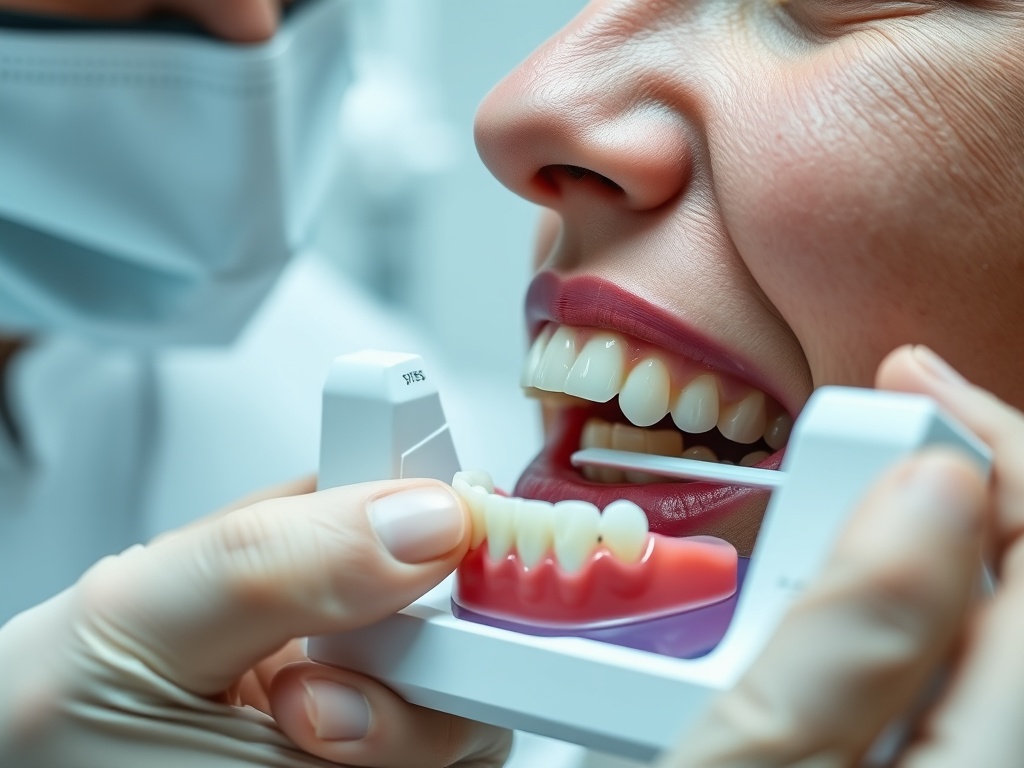
No-prep vs traditional veneers at a glance
What patients often overlook
“Less prep” can still be the wrong choice
If teeth already project forward, adding porcelain on top may make them look thicker or harder to clean.
“Traditional” does not mean aggressive in every case
Some veneer preparations are quite conservative and designed specifically to keep as much enamel as possible while still achieving a better result.
Veneers are not a substitute for alignment in every case
For evidence-based background, this section aligns with ADA veneer guidance and NIDCR health information, both of which are useful for checking definitions, preventive advice, and red-flag guidance.
A dentist may recommend orthodontic movement first if the issue is mostly tooth position rather than shape.
Maintenance still matters
Veneers can improve appearance, but they do not make the underlying teeth maintenance-free. Bite stress, gum inflammation, and poor hygiene still matter.
Planning Notes for No-Prep Veneers vs Traditional Veneers
A second opinion is reasonable when:
- you are being sold a one-size-fits-all veneer package
- the provider cannot explain why prep is or is not needed
- you grind heavily and no protection plan is discussed
- the proposed outcome seems too bulky in the mock-up
- you are being rushed into treatment without records or diagnostic planning
This is also where reading dental reviews carefully helps. Reviews can tell you about communication and follow-through, but they do not replace a real candidacy evaluation.
Questions About No-Prep Veneers vs Traditional Veneers
Veneer candidacy is a routine consultation topic, not an urgent one. However, book sooner if a current veneer is loose, sharp, cracked, or causing bite interference. If a cosmetic plan may affect function, understanding post-treatment issues like high bite after restorative work can also make you a better consumer.
How to narrow the veneer choice before a consult
No-prep veneers can be an excellent option for selected patients, but they are not automatically the most conservative or the most natural-looking choice. Traditional veneers often make more sense when bigger color, shape, or position changes are needed. The real question is not which label sounds better.
A practical next step is to ask any provider to explain why your teeth specifically are a fit for no-prep or traditional veneers and what tradeoffs come with that recommendation.
Questions About No-Prep Veneers vs Traditional Veneers During Planning
When No-Prep Veneers vs Traditional Veneers: Who Is Actually a Candidate is reviewed, ask the dentist to connect each recommendation to the examination findings and compare reasonable alternatives. Before leaving the discussion of No-Prep Veneers vs Traditional Veneers: Who Is Actually a Candidate, confirm the first step, expected follow-up, and warning signs that justify earlier contact as the long-term result is reviewed.
Clinical Checks for No-Prep Veneers vs Traditional Veneers
Before accepting a plan for No-Prep Veneers vs Traditional Veneers: Who Is Actually a Candidate, request a plain-language explanation of what would make the diagnosis or treatment sequence change during the initial review. A sound decision about No-Prep Veneers vs Traditional Veneers: Who Is Actually a Candidate begins with the findings that can be seen, measured, photographed, or confirmed on dental imaging.
Where whitening, bonding, or orthodontics may fit first
Patients often jump from “I want a better smile” straight to veneers. In some cases, whitening, minor bonding, or orthodontic alignment may solve the main complaint with less alteration of healthy tooth structure. Veneers may still be the right choice, but a good consultation usually compares alternatives instead of assuming veneers are the starting point.
Next Steps for No-Prep Veneers vs Traditional Veneers
For No-Prep Veneers vs Traditional Veneers, this part of Next Steps for No-Prep Veneers vs Traditional Veneers focuses on one clear action, a follow-up date, and reasons to contact the office sooner as the treatment sequence is documented, with the same details verified as the long-term result is reviewed. The clinician should also explain what can be decided now and what depends on further evidence for No-Prep Veneers vs Traditional Veneers before the next appointment is booked, using the examination and health history rather than a general assumption. Recording that explanation gives the patient a clearer next step for No-Prep Veneers vs Traditional Veneers as the treatment sequence is documented, especially when follow-up duties are reviewed as the long-term result is reviewed.