Why High Bite Problems Happen After Restorative Treatment
Why High Bite Problems Happen After Restorative Treatment
A “high bite” after a filling, crown, or other restorative treatment usually happens when the restored tooth contacts sooner or harder than it should when you close or chew. It is common enough to recognize, but it is not something to ignore if it lingers.
TL;DR: Mild bite awareness right after treatment can settle as numbness wears off, but a true high bite often feels like one tooth is hitting first. That can lead to pain with chewing, jaw soreness, temperature sensitivity, or a sense that your teeth no longer fit together naturally.
What people mean by “high bite”
A high bite is not a diagnosis by itself. It is a way patients describe an occlusion problem after dentistry. The tooth may feel taller, hit first, or make chewing feel off-balance. This can happen after a filling, crown, onlay, bonding, or even after orthodontic or implant-related stages.
The reason is mechanical: the restoration and the rest of the bite are no longer sharing force as evenly as intended.
Why it happens after treatment
Several factors can contribute:
- numbness made it hard to bite naturally during the check
- the restoration needs a minor shape adjustment
- the bite changed after the temporary was removed and the final restoration was seated
- the tooth or ligament is mildly inflamed after treatment, which can change how it feels
- there was a preexisting clenching or grinding pattern that makes small discrepancies more noticeable
Crowns and large fillings are common triggers because even a small excess on the chewing surface can feel significant. ADA patient guidance on crowns explains that these restorations are intended to return a tooth to normal shape and function, which is why bite balance matters so much. ADA information on crowns
Symptoms that often point to a true high bite
A high bite often causes:
- one tooth touching before the others
- pain when biting down or releasing pressure
- a “thunk” or hard contact feeling on one side
- sensitivity that is worst when chewing
- jaw tightness or temple soreness after meals
- the sense that the teeth do not mesh the way they did before
Some bite awareness right after treatment can be temporary. A true high bite usually stays noticeable instead of fading.
Temporary discomfort vs a problem that needs adjustment
What may settle on its own
- mild awareness right after numbness wears off
- slight tenderness for a day or two after deeper restorative work
- temporary temperature sensitivity without a chewing trigger
What usually needs the office
- pain every time you bite on that tooth
- the tooth clearly feels taller or hits first
- jaw soreness is building
- chewing changes your whole bite pattern
If you are weighing cosmetic trade-offs after a bite-change problem, No-Prep Veneers vs Traditional Veneers: Who Is Actually a Candidate? offers a useful look at how dentists balance appearance, tooth structure, and long-term fit.
- symptoms are not improving
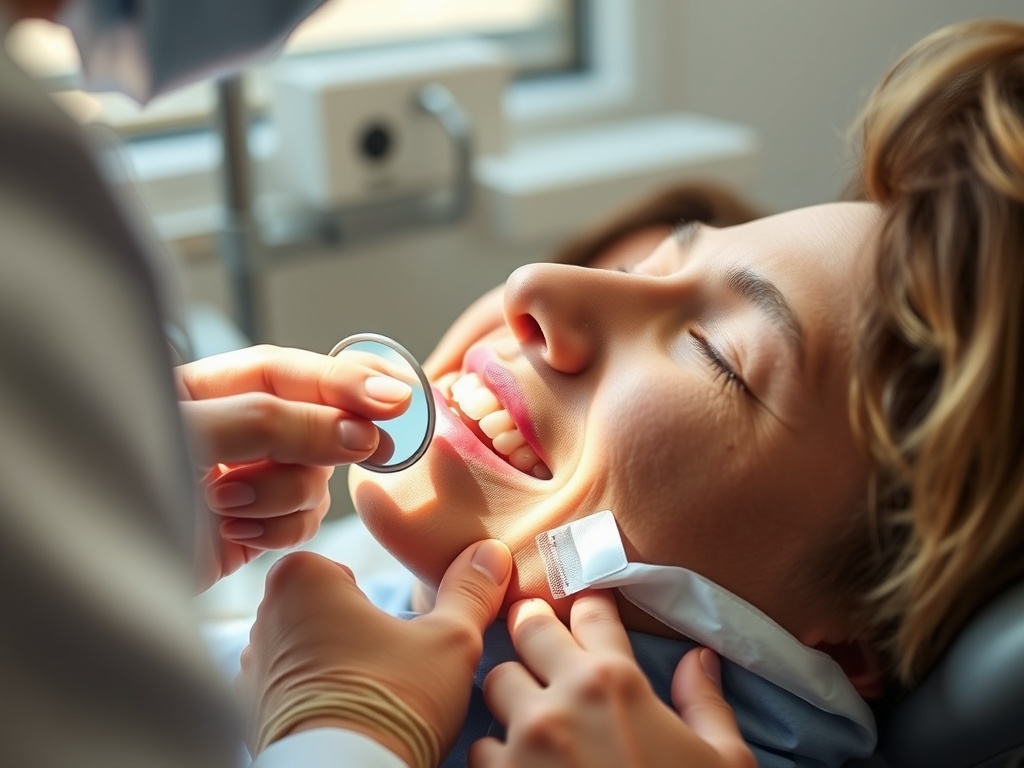
Patients sometimes wait because they think they are “just getting used to it.” That is not always the best move. Repeated heavy contact can keep the tooth ligament irritated and may even stress the restoration.
Mistakes to Avoid With High Bite Problems Happen Restorative Treatment
For High Bite Problems Happen Restorative Treatment, this part of Mistakes to Avoid With High Bite Problems Happen Restorative Treatment focuses on harsh home remedies, repeated temporary fixes, and delays that hide progression before the next appointment is booked, with the same details verified as the long-term result is reviewed. The clinician should also explain which action could worsen pain, swelling, bleeding, fit, or tissue damage for High Bite Problems Happen Restorative Treatment while the options are being narrowed, using the examination and health history rather than a general assumption.
Planning Notes for High Bite Problems Happen Restorative Treatment
Not every post-treatment discomfort is a high bite. Similar symptoms can come from:
- a cracked tooth
- pulp inflammation after a deep filling
- gum irritation around the restoration
- jaw muscle tension or clenching
For evidence-based background, this section aligns with ADA dental emergencies guidance and NIDCR health information, both of which are useful for checking definitions, preventive advice, and red-flag guidance.
- a loose temporary crown
That is why the exam matters. The correction could be simple, but it should still be based on what is actually happening.
Warning Signs for High Bite Problems Happen Restorative Treatment
Book a prompt routine dental visit if:
- the tooth feels high or hits first
- chewing pain continues
- the bite feels off after numbness has long worn off
Seek faster care if you also have:
- significant swelling
- fever
- pain that keeps escalating
- a restoration that broke or came off
- inability to bite together normally after trauma
If your office is closed and symptoms are severe, knowing how to find after-hours care is useful. For patients comparing cosmetic or restorative options in the future, it also helps to understand how fit and function matter in veneer planning and candidacy.
How dentists usually fix it
The common solution is selective adjustment of the restoration so forces are distributed more evenly. Sometimes the dentist also checks neighboring teeth, bite pattern, or habits like night grinding.
What to do when your bite still feels off
High bite problems happen because the restored tooth is contacting differently than intended. The symptoms are often recognizable: one tooth hits first, chewing hurts, and the bite feels “off.” Mild awareness can fade, but persistent bite interference usually deserves an adjustment instead of a wait-and-see approach.
A sensible next step is to contact the treating office and describe exactly when the tooth hurts: on first contact, while chewing, or when you release. That detail helps the dentist sort out whether the problem is likely bite-related or something deeper.
Questions About High Bite Problems Happen Restorative Treatment
For High Bite Problems Happen Restorative Treatment, this part of Questions About High Bite Problems Happen Restorative Treatment focuses on the symptom history, previous treatment, current medicines, and the result the patient values most while risks and alternatives are compared, with the same details verified as the long-term result is reviewed.
Why waiting too long can create a second problem
Even when the restoration itself is technically intact, a tooth that keeps taking too much force can stay irritated. Patients may start chewing on the other side, tighten their jaw, or assume they suddenly developed TMJ trouble when the trigger is a single post-treatment contact point. That is why small adjustments can make a large difference in comfort.
Cost Planning for High Bite Problems Happen Restorative Treatment
For High Bite Problems Happen Restorative Treatment, this part of Cost Planning for High Bite Problems Happen Restorative Treatment focuses on an itemized estimate that separates diagnosis, temporary care, laboratory work, treatment, and follow-up when home-care instructions are prepared, with the same details verified as the long-term result is reviewed. The clinician should also explain insurance assumptions, payment timing, and later maintenance expenses for High Bite Problems Happen Restorative Treatment when maintenance is discussed, using the examination and health history rather than a general assumption.