Single-Tooth Implant for a Front Tooth: Aesthetics, Timing, and Healing
Single-Tooth Implant for a Front Tooth: Aesthetics, Timing, and Healing
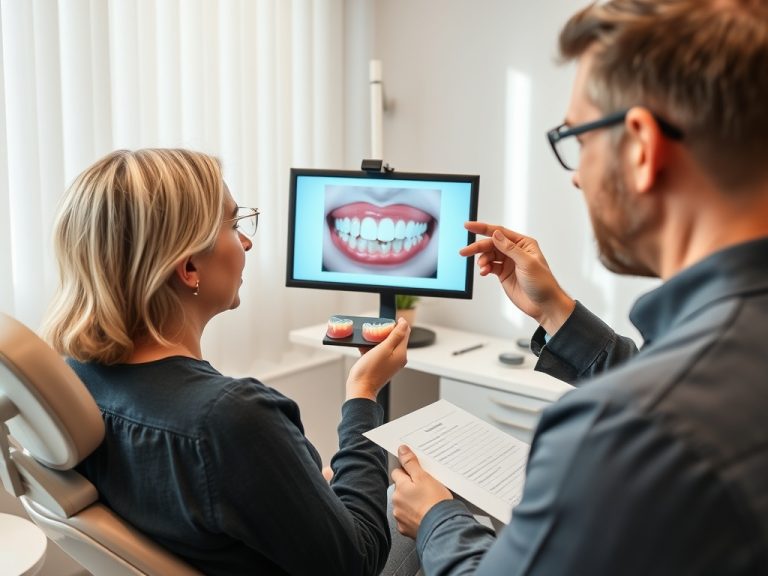
A front-tooth implant is not just about replacing a missing tooth. It is also about matching the gumline, smile line, and neighboring teeth closely enough that the result looks natural when you talk and smile.
TL;DR: Replacing a single front tooth with an implant can be an excellent option, but the best sequence depends on bone, gum tissue, infection history, tooth position, bite forces, and cosmetic expectations. Some patients can have immediate placement after extraction.
Why front teeth are different
An implant in the smile zone has to work mechanically and look right. Back teeth can tolerate small cosmetic compromises more easily. Front teeth cannot. Even minor differences in gum contour, tooth length, or emergence profile may be noticeable.
That is why the plan may involve a general dentist, oral surgeon, periodontist, prosthodontist, or a mix of providers depending on the case.
The first decision: immediate, early, or delayed timing
Patients often ask, “Can the implant go in the same day the tooth comes out?” Sometimes yes. Sometimes no.
The answer depends on:
- whether there is active infection
- how much intact bone remains
- the thickness and stability of the gum tissue
- whether the socket walls are preserved
- how well the implant can be positioned for both function and appearance
Current implant literature continues to support a case-by-case approach rather than one single “best” timing for every front tooth. Immediate placement can reduce treatment stages in selected cases, while delayed or staged treatment may protect esthetic results when tissue conditions are not ideal.
Candidacy questions that really change the plan
Is the tooth being lost because of trauma, fracture, infection, or gum disease?
The reason matters because it affects bone shape, soft tissue quality, and urgency.
What does the imaging show?
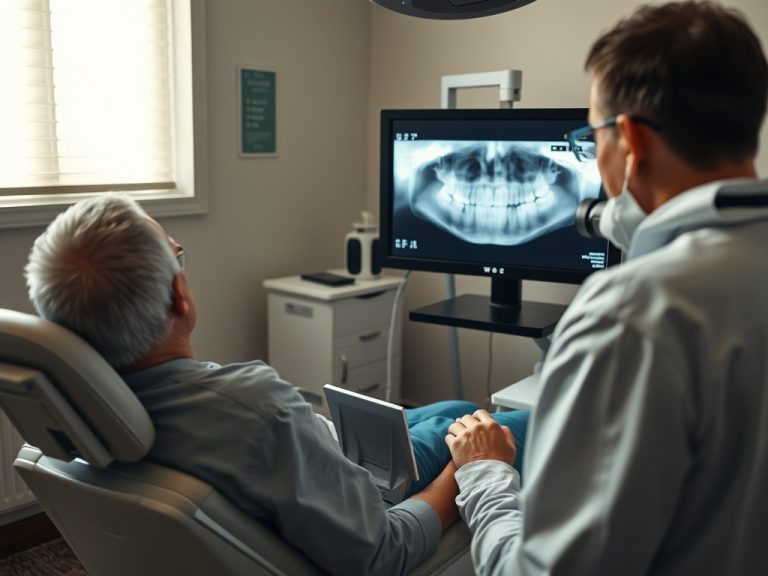
Three-dimensional imaging may help the clinician evaluate bone contours and implant position in a way a simple two-dimensional image cannot.
How high are the cosmetic demands?
A patient with a high smile line may notice very small differences in tissue symmetry.
Is the bite stable?
Heavy bite forces, clenching, or an unstable opposing bite can affect both provisional planning and long-term maintenance.
The healing and restoration sequence
A front-tooth implant often has more stages than patients expect:
- Evaluation, imaging, and planning
- Extraction if the natural tooth cannot be saved
- Implant placement immediately or after a healing period
- Grafting or soft-tissue management when needed
- Temporary tooth or provisional phase
- Final restoration once the site is stable
That sequence is why the question “How long will it take?” rarely has one universal answer. Healing depends on biology and the plan chosen.
What patients usually care about most: appearance
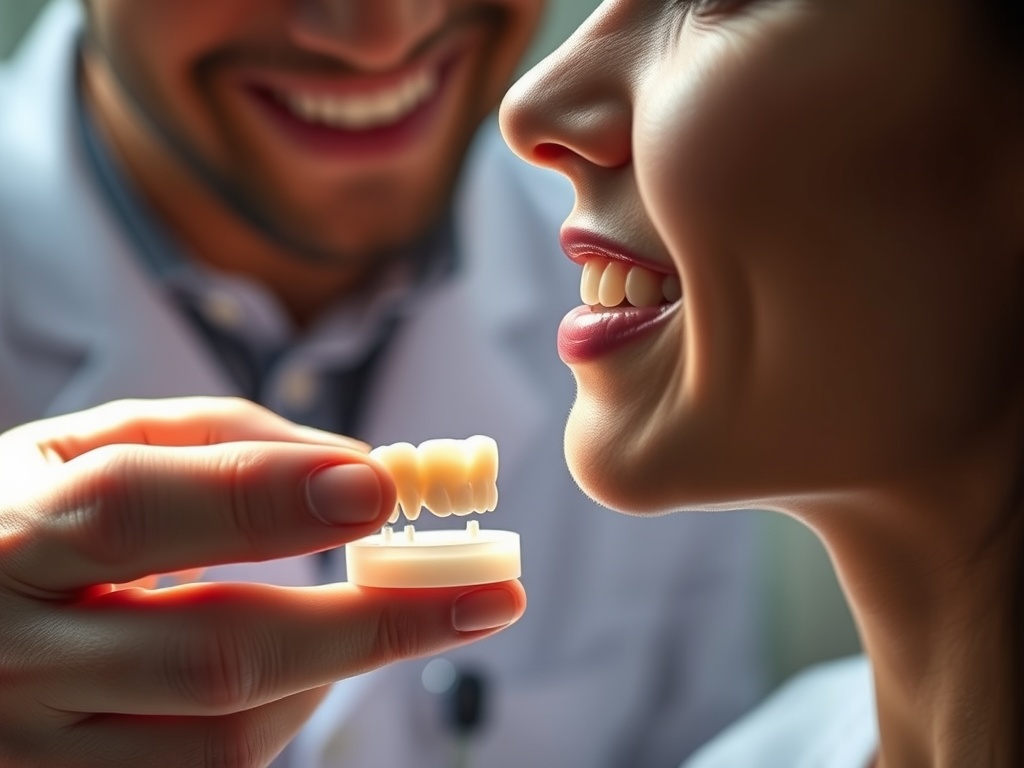
The cosmetic result depends on more than the implant brand or the final crown color. It depends on:
- gumline height
- papilla fill between teeth
For a broader look at inflammation before implant planning, Can Gingivitis Be Reversed at Home? explains what early gum changes may respond to home care and what still needs an exam.
- implant depth and angle
- tissue thickness
- provisional shaping
- the neighboring teeth and their color, form, and wear
This is one area where “fast” and “best-looking” are not always the same thing.
Maintenance after the final tooth is placed
A front implant still needs long-term maintenance. That includes:
- excellent plaque control around the implant
- regular follow-up visits
- monitoring the bite
- avoiding habits that overload the front teeth
For evidence-based background, this section aligns with NIDCR oral health topics and ADA oral health resources, both of which are useful for checking definitions, preventive advice, and red-flag guidance.
- watching for gum inflammation or recession early
If gum health has been an issue in the past, it is smart to address that first. Ongoing inflammation can complicate any restorative plan, which is why our article on early gum inflammation and home care is relevant background.
Failure scenarios patients should understand
Implant planning is strongest when the dentist also explains what can go wrong. Concerns may include:
- insufficient bone or soft tissue for the ideal result
- recession that exposes metal or dark shadowing
- bite overload
- provisional or final crown complications
- mismatch with neighboring teeth over time
This is not a reason to avoid implants. It is a reason to want realistic planning.
How to evaluate your options
When comparing providers or treatment plans, ask:
- Why is this timing recommended in my case?
- Will I need grafting?
- Who is handling surgery and who is handling the final esthetic phase?
- What are the alternatives if the implant is not ideal?
- How will the temporary tooth be managed?
- What maintenance risks apply to me?
This is also a situation where reviews can help with communication patterns, but not with candidacy. Our guide on how to read dental reviews can help you sort signal from noise.
Planning Notes for Single-Tooth Implant Front Tooth
Implant planning is usually a routine consultation. Seek prompt evaluation sooner if the front tooth is fractured, the site is infected, there is swelling, or a temporary restoration becomes loose or painful.
Questions About Single-Tooth Implant Front Tooth
For Single-Tooth Implant Front Tooth, this part of Questions About Single-Tooth Implant Front Tooth focuses on the symptom history, previous treatment, current medicines, and the result the patient values most before treatment is scheduled, with the same details verified before the next appointment is booked. The clinician should also explain which examination finding supports each recommendation and what information could change it for Single-Tooth Implant Front Tooth when a second opinion is considered, using the examination and health history rather than a general assumption.
Clinical Checks for Single-Tooth Implant Front Tooth
For Single-Tooth Implant for a Front Tooth: Aesthetics, Timing, and Healing, ask which observations are certain, which remain possible, and whether another test or specialist opinion would change the plan as the treatment sequence is documented.
How to judge a front-tooth implant plan
A single-tooth implant for a front tooth is as much an esthetic project as a surgical one. The timing may be immediate, early, or delayed depending on bone, tissue, infection, and smile-zone demands. The best question is not “Can I get it done fast?” It is “What sequence gives the best chance of a healthy, natural-looking result in my case?”
A practical next step is to ask for a treatment sequence in writing so you can understand the timing, temporary phase, and follow-up responsibilities before making a decision.
Warning Signs for Single-Tooth Implant Front Tooth
For Single-Tooth Implant Front Tooth, this part of Warning Signs for Single-Tooth Implant Front Tooth focuses on stable symptoms versus swelling, fever, trauma, bleeding, drainage, or loss of function when maintenance is discussed, with the same details verified before the next appointment is booked. The clinician should also explain how quickly the condition is changing and whether delay could increase risk for Single-Tooth Implant Front Tooth during the initial review, using the examination and health history rather than a general assumption. Recording that explanation gives the patient a clearer next step for Single-Tooth Implant Front Tooth when maintenance is discussed, especially when follow-up duties are reviewed before the next appointment is booked.