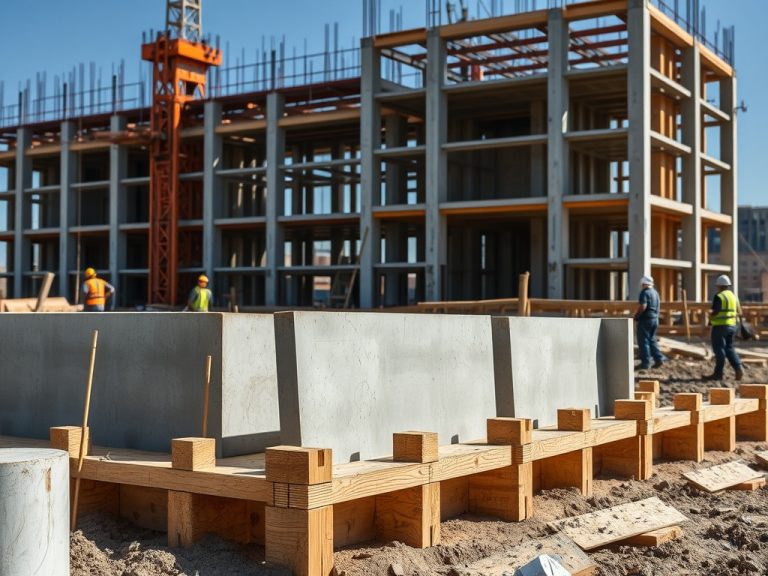
How franchise locations standardize construction and maintenance across markets
Franchise locations standardize construction and maintenance by separating brand standards from local code requirements, then turning approved details, vendor expectations, assets, and maintenance routines into repeatable playbooks. The goal is consistency without pretending every market has the same building conditions, permits, labor rules, or climate risks.
Standards snapshot: A franchise standard should define the expected outcome, approved methods, documentation, and decision rights while leaving room for jurisdictional requirements and site-specific constraints.
Why franchises cannot rely on memory
A franchise network may repeat the same customer-facing experience across many cities, but the buildings behind that experience vary. One location may be a ground-up shell, another a tenant improvement in an older center, another a conversion of a former restaurant, clinic, warehouse, or retail unit. If construction and maintenance standards live only in the memory of a few project managers, each rollout becomes harder to control.
Standardization gives franchise owners, corporate teams, designers, contractors, maintenance vendors, and facility managers a shared reference. It can reduce decision drift, make bids more comparable, and help maintenance teams know what equipment and finishes they are expected to support.
Separate brand standards from code obligations
Brand standards are company preferences. Codes and regulations are jurisdictional requirements. Confusing the two creates risk. A franchise prototype may specify a standard restroom layout, lighting approach, roof access detail, grease management process, storefront finish, or equipment package. Local code officials, accessibility requirements, fire marshal comments, landlord criteria, utility conditions, and energy rules may still require changes.
The International Code Council provides code adoption resources that help teams understand why code requirements vary by jurisdiction. For public accommodations and commercial facilities in the United States, the Department of Justice's ADA design standards are also a key reference for accessibility, although local requirements can add further obligations.
This is why franchise playbooks should clearly mark what is mandatory as a brand requirement, what is a preferred detail, and what must be verified locally. A strong standard does not force field teams to choose between brand consistency and compliance.
Build a master scope library for repeatable work
A scope library translates the brand standard into construction packages. It should include typical details, specification notes, approved alternates, equipment information, submittal expectations, inspection points, and closeout documentation.
| Standardization layer | What it controls | Example use |
|---|---|---|
| Brand prototype | Customer experience, layout intent, visible finishes | Helps designers start from a common baseline |
| Technical standards | Materials, equipment, assemblies, performance criteria | Helps contractors price and build comparable scopes |
| Local adaptation rules | Jurisdictional code, utilities, climate, landlord requirements | Helps teams document approved deviations |
| Maintenance playbook | Preventive tasks, service access, spare parts, issue escalation | Helps operators preserve the location after opening |
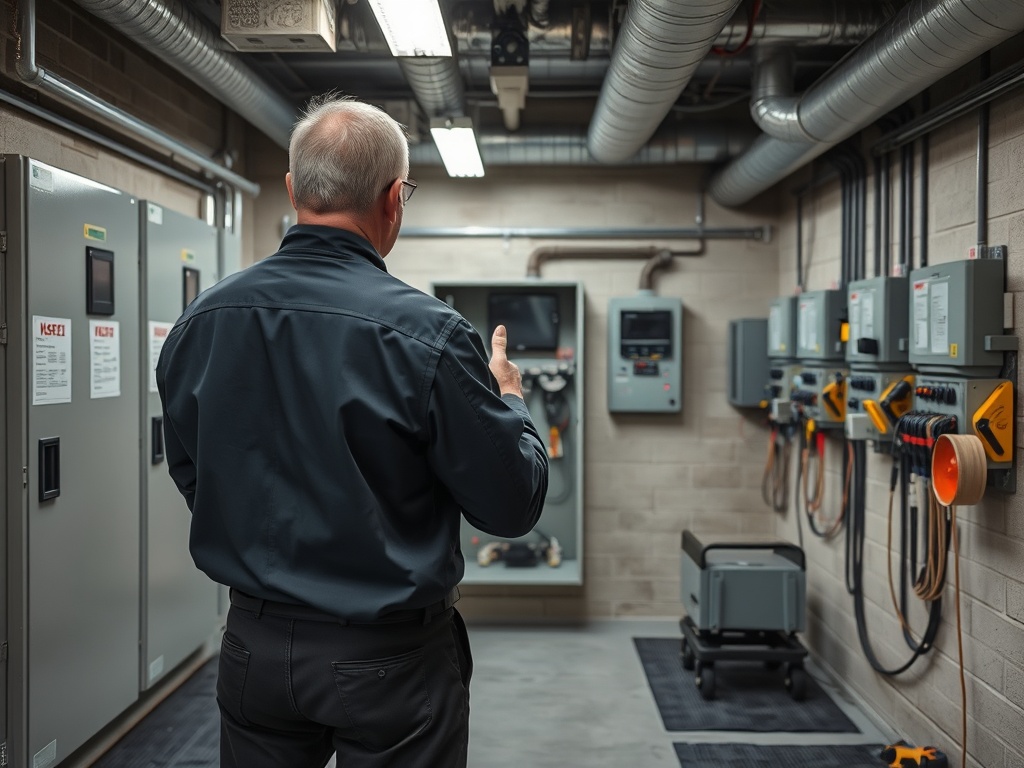
Teams using repeatable off-site components can connect this with how prefab and modular workflows depend on digital coordination. The principle is similar: repeatability works only when the details are current, approved, and communicated before procurement or installation.
Control alternates without blocking local flexibility
Franchise systems often approve alternates for finishes, equipment, fixtures, signage bases, roofing components, flooring, lighting, and exterior materials. Alternates are useful when lead times, local suppliers, climate, landlord rules, or service coverage make the preferred item impractical. They become risky when field teams substitute products without review.
A controlled alternate process should ask four questions. Does the alternate meet code and landlord requirements? Does it preserve the brand standard or documented performance requirement? Can maintenance teams support it? Does the change affect warranties, spare parts, energy use, cleaning, or training?
Procurement risk should also be visible early. If several stores depend on long-lead equipment, standardization alone will not protect the budget. The team should align scope libraries with the planning logic described in how procurement lead times change project budgets.
Make maintenance standards part of turnover
Many franchise programs focus heavily on opening day and not enough on year-two operations. Maintenance standards should be built into construction closeout. The handover should identify asset names, serial information when appropriate, maintenance access needs, filter types, roof and drainage notes, shutoff locations, service provider contacts, warranty boundaries, and escalation rules.
This helps the franchisee avoid inconsistent vendor decisions after opening. It also gives corporate facilities teams better data when comparing repair patterns across markets. Standardized maintenance documentation does not eliminate local failures, but it makes problems easier to classify.
Measure the standard after opening
A standard should improve after real stores operate. Track service calls, warranty claims, inspection comments, customer disruptions, and recurring maintenance tasks by location type. If several markets show the same roof leak, equipment access problem, flooring failure, lighting issue, or drain blockage, the standard may need revision rather than repeated repair orders.
Post-opening feedback should be structured. Ask franchisees and facility vendors which details are hard to maintain, which approved products are difficult to source, and which local adaptations worked well. The purpose is not to weaken the brand standard; it is to keep the standard grounded in field performance.
Where standardization breaks down
Standardization usually fails at the edges. A store opens in a region with freeze-thaw exposure, high wind, flood risk, heat, grease load, hard water, or unusual utility constraints, and the national standard does not address the local condition. Another breakdown occurs when construction teams value speed over documentation. A deviation may solve an immediate issue but create maintenance confusion later.
Safety coordination is another issue. Multi-employer jobsites can create shared responsibilities and coordination needs. OSHA's multi-employer citation policy is an enforcement document, not a franchise manual, but it reminds project teams that responsibilities should be clear when multiple employers work on the same site.
A field-ready standardization framework
- Keep one current standards library with version control.
- Require local code and landlord reviews before scope release.
- Separate required brand outcomes from preferred construction methods.
- Use approved alternates with written acceptance.
- Capture deviations in as-built records and maintenance files.
- Train vendors on the standard before issuing work orders.
- Review recurring repairs across markets and update the standard when patterns emerge.
For structural and material decisions, franchise teams should also avoid one-size-fits-all assumptions. For example, a location using concrete site features or foundations may need a method comparison like precast vs cast-in-place concrete: which should you choose, with local engineering input.
A standards system that still respects local codes
Franchise standardization is strongest when it creates a clear baseline, not a rigid script. The best systems explain the required outcome, the approved options, the review path for exceptions, and the maintenance expectations after opening.
This article is informational and does not replace architectural, engineering, code, accessibility, legal, franchising, or project-management advice. Franchise standards should be reviewed against local requirements and project contracts before use.
A practical next step is to audit one location standard and mark each item as brand-required, code-driven, preferred, or locally adaptable.