How to Navigate Fitness Advice That Is Not Designed for Women
Fitness advice should be evaluated by asking who was studied, which life stage the guidance assumes, and whether symptoms or health conditions require modification. Women do not need a completely separate version of exercise science, but generic recommendations can miss pregnancy, postpartum recovery, pelvic-floor health, menopause, menstrual symptoms, and social barriers.
Key Takeaways
- Check the population behind the claim.
- Separate biological considerations from marketing stereotypes.
- Modify around symptoms and life stage, not gendered assumptions.
- Seek qualified care for pain, bleeding changes, pelvic-floor symptoms, or medical concerns.
Start with the population, not the headline
A program may be based on studies of young trained men, mixed groups, older adults, or people with a specific condition. That does not automatically make it useless, but it limits certainty. Look for participant details, training experience, age, and whether female-specific outcomes were considered.
Advice that promises universal results without describing the population, program duration, or outcome measure should be treated cautiously.
Avoid replacing evidence with “for women” branding
Pink equipment, “toning” language, and fear of heavy weights are marketing conventions, not physiological rules. Women can build strength, muscle, power, and endurance using the same core principles of progressive training, recovery, and adequate nutrition. Individual goals and constraints matter more than stereotypes. This interpretation of How to Navigate Fitness Advice That Is Not Designed for Women is consistent with ACOG exercise during pregnancy.
At the same time, saying “training is identical for everyone” can erase important contexts. The task is to include relevant differences without turning them into rigid rules.
Menstrual-cycle claims need careful interpretation
Some people notice meaningful changes in symptoms, energy, or comfort across the cycle; others notice little. Research on cycle-based training is developing, and broad prescriptions to always train hard or easy in a particular phase may overstate the evidence.
A practical approach is to track symptoms and performance for several cycles, then adjust when a consistent personal pattern appears. Severe pain, very heavy bleeding, faintness, or sudden cycle changes warrant clinical advice.
Pregnancy and postpartum require context-specific guidance
Many pregnant people can remain active, but exercise choices depend on previous activity, pregnancy course, symptoms, and clinician guidance. Postpartum return is not simply a six-week countdown. Healing, sleep, delivery type, pelvic-floor function, and support all influence progression. This interpretation of How to Navigate Fitness Advice That Is Not Designed for Women is consistent with Office on Women’s Health fitness guidance.
Generic “bounce back” messaging can encourage comparison and premature loading. A qualified pelvic-health physiotherapist or clinician can help when there is leakage, pressure, pain, abdominal-wall concerns, or uncertainty.
Menopause can change priorities without ending progress
During perimenopause and menopause, some women experience sleep disruption, hot flashes, changes in body composition, joint symptoms, or altered recovery. Resistance training, aerobic activity, balance work, nutrition, and sleep support remain useful, but the plan may need more recovery or a different progression rate.
The goal is not to blame every training difficulty on hormones. It is to recognize symptoms, rule out health issues, and adjust the program using evidence and personal response.
Review nutrition advice for adequacy and risk
Aggressive fasting, very low energy intake, and supplement-heavy plans can be especially concerning when menstrual function, bone health, pregnancy, breastfeeding, or a history of disordered eating is relevant. Food advice should support the training demand and the person’s health context.
The pre-workout nutrition checklist offers flexible options based on timing and tolerance rather than a gendered product.

Use four questions before adopting a program
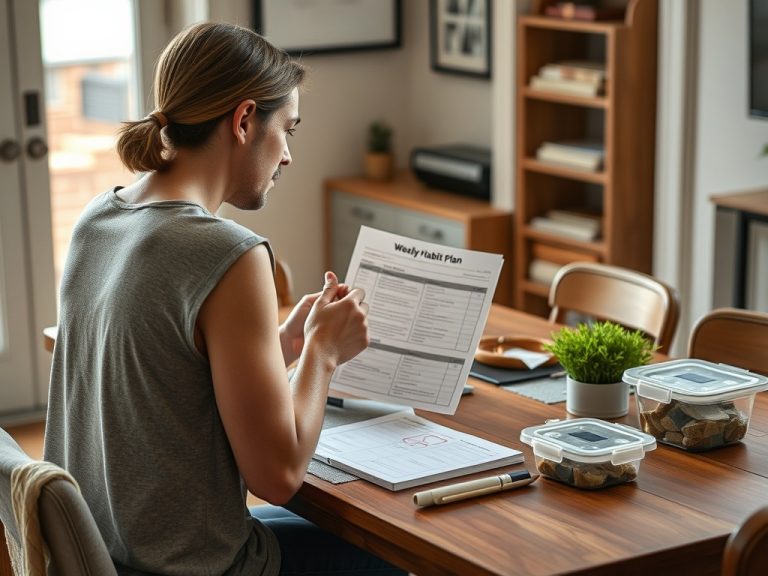
Ask who created it and what qualifications they hold. Ask which population and outcomes support the claim. Ask what risks, contraindications, and alternatives are acknowledged. Finally, ask whether the plan can be modified around symptoms and current capacity.
These questions also apply to advice from friends, influencers, apps, and AI-generated plans. Confidence and presentation quality are not substitutes for evidence.
Body-size and appearance claims deserve scrutiny
Women are often sold programs that promise spot reduction, a single ideal shape, or rapid transformation. Fat distribution and body shape are influenced by genetics, hormones, age, and total energy balance. Exercise can strengthen a region, but it cannot guarantee where fat is lost.
Advice should focus on health, performance, symptoms, and chosen goals without using body dissatisfaction as the sales mechanism.
Include access and safety in the decision
Gym culture, childcare, clothing, harassment concerns, disability access, and time poverty can all affect participation. A theoretically optimal plan that ignores these barriers may be unusable. Home training, women-only spaces, shorter sessions, or community programs can be legitimate adaptations.
The best advice creates more safe options rather than blaming the person for constraints.
Build a plan around the person in front of you
Begin with general physical-activity guidance, then layer in life-stage needs, preferences, symptoms, and goals. Use a warm-up for tight hips, ankles, and shoulders when it improves movement, but do not assume every woman needs the same corrective routine.
Choose one current piece of fitness advice and audit it with the four questions above. Keep what is relevant, modify what is incomplete, and discard what relies on stereotypes or unsupported promises.
Connected considerations for a complete plan
A complete plan should connect this topic with mindset shifts. For How to Navigate Fitness Advice That Is Not Designed for Women, reviewing these related decisions together makes it easier to change one variable at a time and interpret the result.
Applying the Guidance: How to Navigate Fitness Advice That Is Not Designed for Women
A red-flag checklist for online claims
Be cautious when advice promises rapid fat loss in one body area, claims that one hormone explains every symptom, discourages medical care, or sells a supplement as the only solution. Other warning signs include before-and-after images without context, citations that do not support the claim, and language that treats normal body variation as a defect. Credible guidance describes limitations and alternatives instead of creating urgency through fear. It also encourages readers to seek qualified care when symptoms or risks fall outside general fitness education.
A source-checking workflow
When a post makes a strong claim, locate the original guideline or study rather than relying on the caption. Check the publication date, participant characteristics, duration, comparison group, and measured outcome. A study of a supplement in a small athletic sample cannot automatically justify a broad recommendation for all women. Look for replication, systematic reviews, or guidance from professional organizations. If the source cannot be found, treat the claim as unverified.
How to adapt without overmedicalizing
Not every variation in energy or performance requires a hormone explanation. Begin with common factors such as sleep, food intake, training load, stress, and illness. Add menstrual, pregnancy, postpartum, or menopausal context when it is relevant. This layered approach respects women-specific needs without attributing every challenge to biology. It also reduces the risk of overlooking ordinary programming errors or a separate medical issue.
Common Questions About How to Navigate Fitness Advice That Is Not Designed for Women
Does every woman need cycle-based training?
No. Some women benefit from symptom tracking and flexible adjustments, while others perform consistently across the cycle. A mandatory phase-based plan can create expectations that do not match the individual.
Is heavy strength training appropriate for women?
For many healthy women, progressive strength training is appropriate and beneficial when technique, load, and recovery are suitable. Pregnancy, postpartum status, medical conditions, pain, and experience may require individualized modification.
How can someone verify an online expert?
Check recognized credentials, scope of practice, conflicts of interest, and whether claims link to credible evidence. A trainer should not diagnose disease, and a clinician speaking outside their specialty may not be the strongest source for a training program.