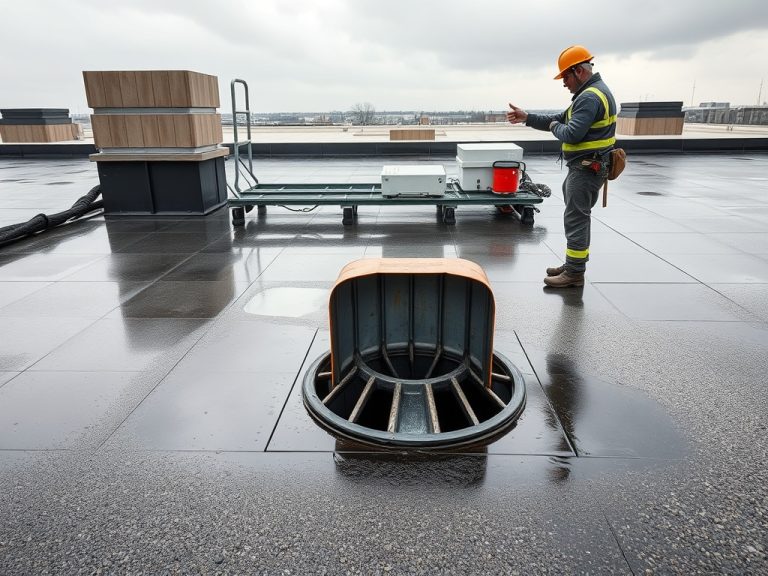
How to store tools to prevent theft, rust, and downtime
Store tools by combining security, moisture control, inspection, inventory, and ready-to-use organization. Theft prevention protects the asset, rust prevention protects performance, and downtime prevention protects the crew's ability to start work without searching, charging, cleaning, or replacing missing items.
Jobsite productivity brief: A good storage system controls who has access, where each tool belongs, how tools are cleaned and charged, and what happens when something is missing, damaged, wet, or unsafe.
Sort tools by use, risk, and environment
Tool storage works best when tools are grouped by how they are used. High-value cordless tools, meters, lasers, specialty bits, torque tools, harnesses, hot-work equipment, and calibrated devices need different controls than shovels, brooms, buckets, or extension cords. A one-size storage pile leads to missing tools and damaged equipment.
Start by dividing tools into daily-use, shared specialty, safety-critical, weather-sensitive, calibrated, consumable, and repair-needed categories. Then decide where each category belongs: gang box, service van, controlled cage, charging station, dry cabinet, mobile cart, or shop wall.
OSHA's hand and power tools resources remind employers and workers that tools can create hazards when used or maintained improperly. Storage is part of that maintenance culture because a damaged grinder, frayed cord, wet extension lead, cracked ladder accessory, or dull blade can create risks before work even starts.
Prevent theft with layered controls
Theft prevention should not rely on one lock. Construction sites and maintenance shops often have changing crews, vendors, deliveries, and public exposure. Use layers: controlled access, sign-out logs, locked storage, lighting, fences or secure rooms, tool marking, inventory checks, and end-of-day accountability.
CISA's physical security resources focus broadly on protective measures for facilities and infrastructure. A small contractor or facilities team does not need an elaborate security department to apply the basic concept: identify what needs protection, reduce easy access, and make unusual activity easier to notice.
For multi-site operators, tool-control standards should be consistent enough that crews know the routine at every location. The same standardization mindset used in training new technicians and apprentices for long-term retention applies to tool rooms: new people should learn the storage system before bad habits form.
Control rust by removing moisture and dirt
Rust prevention starts with clean, dry storage. Tools exposed to rain, concrete dust, drywall dust, soil, salt, chemicals, or humidity need cleaning before they are stored. Even stainless, coated, or plated components can suffer when grime traps moisture or when tools are tossed into closed boxes while wet.
Use raised storage where water may enter. Avoid leaving tools directly on concrete floors in damp rooms. Keep desiccants or moisture-control products in enclosed storage where appropriate. Separate wet gear from dry power tools. Do not store batteries, chargers, or electronic measuring devices in conditions that violate manufacturer guidance.
Design storage for fast starts, not perfect displays
The goal is not a photo-ready wall. The goal is a crew that can find the right tool, confirm it is safe, and start work. Label shelves and bins clearly, but do not make the system so delicate that crews abandon it during busy periods.
| Storage zone | Best use | Daily control |
|---|---|---|
| Lockable gang box | High-use jobsite tools | Open and close by assigned lead only |
| Charging station | Cordless batteries and radios | Check batteries at shift end and keep damaged units out |
| Dry cabinet | Meters, lasers, specialty electronics | Keep clean, dry, and assigned to trained users |
| Quarantine bin | Damaged, dull, wet, or unsafe tools | Review before reuse or disposal |
| Mobile task cart | Repeated maintenance tasks | Restock from a checklist after each route |

The storage system should support resilient work as well. After storms or drainage events, crews may need pumps, wet vacs, roof tools, PPE, and inspection equipment quickly. That connects directly with how resilient design changes roofing, drainage, and site planning.
Make ownership clear
Tool storage fails when everyone uses the system but no one owns it. Assign a person or role to each storage area, even if the responsibility rotates. The owner checks condition, tracks missing items, removes damaged tools, and confirms that batteries, blades, meters, and accessories are ready for the next shift.
Ownership should not become blame for every missing item. It is a control point. When crews know who manages the box, van, cage, or cabinet, problems get reported faster and small losses are less likely to become normal.
Reduce downtime with a check-in and check-out process
Downtime often begins with small delays. A battery was not charged. A bit set is missing. A ladder is tagged out. A meter was left in another truck. A specialty tool is locked in a room and the key holder is absent. A check-in and check-out routine prevents these issues from becoming normal.
The process can be simple. Assign tool ownership for each shift. Record high-value or specialty items. Inspect tools when they return. Clean and dry them before storage. Move damaged items to quarantine. Restock consumables. Charge batteries. Report missing tools immediately, not at the end of the month.
Digital inventory can help, but a paper board or bin card may be enough for smaller teams. The system should match the size of the operation. The important part is consistent behavior.
Watch for storage mistakes that damage tools
Common mistakes include storing wet tools in sealed boxes, mixing sharp accessories with cords, leaving batteries in hot vehicles, placing precision tools under heavy items, failing to separate damaged equipment, and allowing every worker unrestricted access to high-value tools. Another mistake is ignoring ergonomics. Heavy tools stored too high or too low can create strain during frequent retrieval.
CPWR's hand safety resources highlight the productivity and career impact of hand injuries in construction. Their hand safety materials reinforce the idea that tool condition, selection, and use are not minor administrative details.
Digital coordination may also affect tool planning. Prefab or modular scopes can require specific layout, lifting, fastening, scanning, or torque tools at the right moment. The planning discipline in how prefab and modular workflows depend on digital coordination can help teams schedule tool availability before installation starts.
A storage routine that keeps crews moving
The best tool storage system is easy to follow under pressure. It protects expensive equipment, keeps tools dry and safe, and gives crews confidence that the right item will be ready when the work starts.
This article is for general educational purposes only and does not replace safety, legal, insurance, manufacturer, or site-security advice. Tool storage should follow manufacturer instructions, applicable safety rules, and local jobsite requirements.
A practical next step is to choose one gang box, service van, or tool room and create a return-to-ready checklist covering clean, dry, charged, inspected, inventoried, and secured.